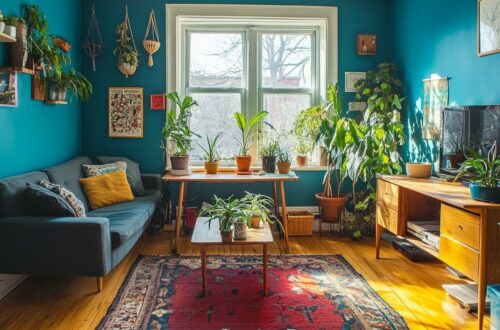
Top Trends in Home Interior Design for This Year
The days of sterile, minimalist interiors are giving way to a richer, more personal design language. This year’s top trends prioritize wellness, sustainability, and bold self-expression, transforming homes into curated sanctuaries. From the rise of biophilic design and warm minimalism to the resurgence of vintage revival and moody palettes, discover how to infuse your space with character. Explore the key movements shaping modern living, from sculptural lighting and spa-inspired retreats to integrated smart technology and playful, multi-functional zones.
1.1 Incorporating Living Walls and Indoor Gardens
Install a living wall using modular systems like LiveWall or Greenwalls, starting at $30/sq ft, and care for it with automated irrigation from Gardena. These systems attach directly to existing walls, so you avoid costly structural overhauls. The price scales to roughly $100/sq ft for larger installations with premium plant selections.
Before installation, assess your wall structure and light exposure. A south-facing wall offers the brightest conditions, ideal for sun-loving species, while north-facing walls require shade-tolerant plants. Check that the wall can support the added weight of soil, water, and plant material, especially for exterior applications.
Choose resilient plant species like pothos, ferns, and philodendrons for beginners. These varieties tolerate minor neglect and adapt well to vertical growing conditions. For texture contrast, mix trailing plants with upright ferns and compact foliage plants to create visual depth.
Install a modular system with built-in drip irrigation to simplify maintenance. Automated watering from brands like Gardena delivers consistent moisture directly to the root zone. This reduces water waste and prevents the common problem of overwatering or underwatering.
Maintenance involves monthly checks of the irrigation lines and quarterly pruning of overgrown foliage. Replace any plants that show signs of stress or disease promptly. A well-maintained living wall becomes a stunning focal point that purifies indoor air and brings biophilic design into your home.
Successful examples like Amazon’s Spheres in Seattle demonstrate how large-scale living walls transform interior spaces. For residential applications, even a small 4×6 foot wall can create a dramatic impact. Start with a modest installation and expand as you become comfortable with the care routine.
1.2 Natural Light Optimization and Organic Textures
Maximize daylight by installing skylights like Velux ‘Solar Powered Fresh Air’ (starting at $1,200) and use shear curtains from IKEA to diffuse light. Light-colored walls and large mirrors are the fastest way to bounce sunlight deeper into a room. Position mirrors opposite windows to reflect brightness into darker corners without adding a single fixture.
Window treatments should be simple and functional. Opt for sheer linen panels or top-down bottom-up shades that let you control privacy while keeping the glass exposed. Skip heavy drapes in favor of lightweight options that frame the view rather than block it. This approach aligns with warm minimalism and Japandi style, where light is treated as a design material.
For organic textures, layer raw wood, natural stone, and woven linen across your surfaces. Raw oak shelving, a honed granite coffee table, and a linen sofa cover create a tactile foundation that feels grounded and calm. These sustainable materials also support biophilic design by bringing a sense of the outdoors inside.
Consider a typical living room before the update: dark walls, heavy curtains, and a bulky fabric sofa. After the transformation, the same space features white limewash paint, a large arched mirror, and sheer curtains that flood the room with soft daylight. Add a jute rug, a wool throw, and a few potted plants to complete the organic, airy feel.
2.1 Recycled and Upcycled Furniture Pieces
Incorporate upcycled furniture from platforms like Chairish or local flea markets; for example, a reclaimed wood dining table costs $800-$2,000 and adds unique character. When sourcing pieces, focus on solid wood construction and quality joinery rather than perfect finishes. Look for dovetail drawers, mortise-and-tenon joints, and hardwoods like oak or walnut that can be refinished multiple times.
Check online marketplaces like Facebook Marketplace and Craigslist for free or low-cost finds, but arrive early at flea markets for the best selection. Inspect items for structural damage, water stains, or pest infestations before purchasing. A piece with good bones but an outdated look is often the best candidate for transformation.
DIY upcycling projects can be simple or ambitious. Repainting a tired dresser with muted greens or warm neutrals instantly modernizes it, while reupholstering a vintage armchair in boucle fabric adds a contemporary touch. Swap dated hardware for brass or matte black fixtures to elevate the overall aesthetic.
The benefits of upcycled furniture go beyond cost savings. Each piece tells a story and brings unmatched uniqueness to your space. Choosing vintage furniture also aligns with sustainable materials principles by reducing landfill waste and lowering demand for new manufacturing.
Consider a case study: a living room furnished entirely with upcycled items. A mid-century sofa reupholstered in velvet upholstery anchors the space, while a repurposed door becomes a coffee table. Open shelving built from reclaimed barn wood displays handmade ceramics, and a vintage rug with global-inspired textiles ties the room together. The result feels curated, personal, and environmentally responsible.
2.2 Low-VOC Paints and Natural Fiber Rugs
Choose low-VOC paints like Benjamin Moore’s Natura (zero VOC) or Clare Paint, and jute rugs from West Elm (starting at $199) for a healthier home. Indoor air quality directly affects your wellbeing, and conventional paints release volatile organic compounds for months after application. These chemicals can trigger headaches, respiratory irritation, and fatigue, especially in tightly sealed modern homes.
Low-VOC and zero-VOC paints now perform just as well as traditional options, with excellent coverage and durability. Benjamin Moore’s Natura line carries GREENGUARD Gold certification, meaning it meets strict standards for low chemical emissions. Clare Paint offers a curated palette of earthy color palettes and muted greens that fit perfectly with biophilic design and warm minimalism trends. Both brands are widely available at major paint retailers and online.
When selecting rugs, natural fibers bring texture and sustainability to any room. Jute is the most affordable option, with a soft, casual feel that suits living rooms and bedrooms. Sisal offers more durability and a tighter weave, making it ideal for high-traffic hallways, though it feels rougher underfoot. Wool sits at the higher end of the price range but provides plush comfort, natural stain resistance, and excellent longevity.
Here is a quick comparison of popular natural fiber rugs:
| Fiber | Price Range | Durability | Feel | Best For |
|---|---|---|---|---|
| Jute | $150 to $400 | Moderate | Soft, textured | Low-traffic areas, bedrooms |
| Sisal | $200 to $600 | High | Rough, firm | Hallways, entryways |
| Wool | $300 to $900 | Very high | Plush, warm | Living rooms, cozy nooks |
For shopping, West Elm and Pottery Barn carry jute and sisal options in various sizes and weaves. IKEA offers budget-friendly natural fiber rugs starting around $79, while high-end wool rugs from brands like Loloi or Armadillo can be found at specialty home stores. Pair your rug with linen curtains and wool throws to complete the layered, tactile look that defines wellness-focused interiors this year.
The combination of low-VOC paints and natural fiber rugs significantly reduces your home’s chemical load. Research suggests that improved indoor air quality supports better sleep and focus. These sustainable materials also align with the broader trend toward eco-conscious design, where every furnishing choice considers both personal health and environmental impact.
3.1 Layered Neutrals with Warm Undertones
Build a palette with warm whites like Benjamin Moore’s ‘Simply White’ (OC-117) and beiges like Sherwin-Williams ‘Accessible Beige’ (SW 7036). These shades carry subtle yellow or pink bases that prevent rooms from feeling sterile. Warm neutrals wrap a space in quiet comfort, unlike cool grays that can feel stark or clinical.
Layer your colors in a deliberate order. Start with warm white on the walls to reflect light and make ceilings feel higher. Introduce taupe through upholstered sofas or area rugs, then finish with terracotta tones in throw pillows, ceramics, or a single accent chair. This creates a gradient that feels natural and collected over time.
Texture does the heavy lifting when colors stay subtle. Pair a chunky wool throw against a smooth linen sofa, or place a jute rug beneath a boucle armchair. Mixing tactile surfaces prevents a neutral room from feeling flat. Reeded glass on cabinet fronts and slatted wood panels add visual rhythm without introducing new hues.
Here is a sample palette with hex codes for your next project:
| Color Role | Paint or Material | Hex Code |
|---|---|---|
| Wall Base | Warm White | #F4F1EA |
| Main Furniture | Taupe | #A89F91 |
| Accent Tone | Terracotta | #C67C4E |
| Textile Depth | Creamy Beige | #D6CDB8 |
| Trim Detail | Soft Greige | #B5AFA3 |
Why do warm neutrals feel so inviting? They mirror natural materials like clay, sand, and sun-bleached wood. These tones lower visual contrast, which signals safety and relaxation to the brain. In a world full of digital noise, a room that whispers rather than shouts becomes a true retreat.
For depth, try limewash paint on a single accent wall. Its mottled, plaster-like finish catches light differently throughout the day. Pair it with brass hardware and natural wood finishes to reinforce the earthy, grounded mood. This trend works beautifully with Japandi style and warm minimalism, where restraint meets richness.
3.2 Curved Lines and Soft-Edged Furniture
Incorporate a curved sofa like the ‘Luna’ from Article ($1,999) or a round coffee table from West Elm to soften the space. Design trend reports from Houzz and other industry sources consistently highlight a major shift away from sharp, rigid angles. Homeowners are now embracing organic, flowing shapes that create a more welcoming and relaxed atmosphere in every room.
This movement toward curved furniture is about more than just aesthetics. Curved sofas, round dining tables, and arched mirrors visually open up a room while making it feel more intimate. The smooth lines guide the eye gently around the space, which can make a small living area appear larger and more cohesive. For those on a budget, retailers like IKEA and Target offer affordable curved accent chairs and rounded side tables starting around $150.
There is a psychological comfort to curves that straight lines simply cannot replicate. Research suggests that soft, rounded shapes are subconsciously associated with safety and calmness, reducing stress levels in the home environment. Arched doorways and rounded headboards add a sculptural element that feels both modern and nurturing, turning a standard hallway or bedroom into a serene retreat.
However, a room filled entirely with curves can feel unstructured and lacking in focus. The key is to balance curved furniture with straight architectural lines. Pair a sweeping boucle sofa with a sharp, rectangular media console or a linear floor lamp. This contrast creates visual tension and prevents the design from feeling monotonous. Mix in a vintage rug with geometric patterns to anchor the organic shapes and maintain a grounded, intentional look.
4.1 Wooden Beam Accents and Coffered Panels
Install faux wood beams from ‘The Ceiling Guys’ (PVC, starting at $150 per beam) for a fraction of real wood cost. This design trend brings instant architectural character to otherwise plain ceilings. Faux beams deliver the rustic charm of timber without the structural engineering required for solid wood.
Real wood beams are significantly more expensive, often costing three to five times more per linear foot than quality PVC options. They also require professional installation because of their substantial weight, plus ongoing maintenance like sealing and pest treatment. PVC faux beams weigh a fraction of their wooden counterparts, allowing for simple DIY installation. They never warp, crack, or attract termites, which makes them ideal for kitchens and bathrooms where moisture is a concern.
To install faux beams yourself, start by measuring your ceiling and marking the beam placement with chalk. Locate the ceiling joists using a stud finder and snap a chalk line between them. Apply construction adhesive to the back of the beam and press it firmly into place. Secure it with screws driven into the joists, then cover the screw heads with the included putty caps. For a seamless look, use paintable caulk along the edges where the beam meets the ceiling. Most PVC beams come pre-finished, so you can skip painting entirely.
Coffered panels offer a more formal ceiling treatment using MDF and crown molding. To create them, build a grid of MDF boxes on the ceiling, leaving recessed squares between them. Attach the main rails to the ceiling joists, then add crosspieces to complete the grid. Line the inside of each recess with smaller crown molding to create depth and shadow. This technique adds a classic, library-like elegance that pairs beautifully with Japandi style or warm minimalism.
Before starting any beam or coffered project, measure your ceiling height carefully. Faux beams work best on ceilings at least nine feet tall, while coffered panels need ten feet or more to avoid feeling cramped. In rooms with standard eight-foot ceilings, consider painting beams the same color as the ceiling to reduce visual weight. A lighter earthy color palette with muted greens and warm neutrals helps the ceiling blend seamlessly into the overall design.
4.2 Wallpaper and Bold Paint on Ceilings
Try a bold ceiling with peel-and-stick wallpaper from Chasing Paper (from $58 per panel) or a dramatic paint like Farrow & Ball’s ‘Inchyra Blue’. The fifth wall is no longer an afterthought. Designers now treat ceilings as a canvas for personality, texture, and depth.
Patterns that perform well this year include large-scale florals, geometric prints, and textured grasscloth. For a softer approach, consider a subtle stripe or a delicate toile. These patterns add visual interest without overwhelming a room’s existing decor.
Here are three specific wallpaper options and two paint choices to consider:
- Chasing Paper’s ‘Tropic’ pattern in sage green, $58 per panel, ideal for small powder rooms.
- Milton & King’s ‘Artisan Weave’ grasscloth, around $120 per roll, perfect for adding organic texture.
- York Wallcoverings’ ‘Botanical Garden’ mural, priced near $150 per panel, great for a dramatic focal point.
- Farrow & Ball’s ‘Inchyra Blue’ at $110 per gallon, a moody green-blue that shifts with light.
- Sherwin-Williams’ ‘Accessible Beige’ at $65 per gallon, a warm neutral that pairs well with earthy color palettes.
When applying wallpaper, measure the ceiling length and width, then add 10 percent for waste and pattern matching. Prep the surface by cleaning it thoroughly and applying a primer to ensure the adhesive grips properly. For peel-and-stick options, work in small sections and use a smoothing tool to push out air bubbles as you go.
Choose paint when you want a quick, cost-effective refresh or when the ceiling has intricate moldings that make wallpaper difficult to install. Use wallpaper when you crave pattern, texture, or a true statement piece. Paint offers a seamless finish, while wallpaper delivers a tactile, sensory design experience.
Consider a dining room case study where the ceiling features a bold, dark floral wallpaper. The walls remain a soft, warm white, allowing the ceiling to anchor the space. This approach draws the eye upward and makes the room feel taller and more intimate. Paired with a sculptural pendant light and a natural wood dining table, the patterned ceiling becomes the defining element of the room’s character.
5.1 Home Office Integration with Living Areas
Create a dedicated work zone with a stylish desk like the ‘Jarvis’ from Fully (from $429) that folds away to save space. This approach lets you reclaim your living room the moment the workday ends. Flexible layouts are essential in multifunctional spaces where one room serves two distinct purposes.
Use a room divider or a tall bookshelf to separate the workspace from the sofa area. This simple barrier creates visual privacy without blocking natural light. Choose furniture that hides office supplies, such as a secretary desk with a drop-down front or a cabinet with closed storage. Built-in storage keeps clutter out of sight while maintaining a calm, minimalist decor.
Select a color scheme that blends with the living area to avoid a jarring transition. Warm neutrals, muted greens, and earthy color palettes work well for both zones. Ergonomic considerations matter just as much as aesthetics. Invest in a supportive chair that matches your decor and position your monitor at eye level to protect your posture.
Consider a real example of a 500 sq ft apartment with a home office nook. Place a compact desk against a wall near the window, flanked by open shelving for books and plants. Use a jute rug to define the workspace and a linen curtain to close it off when needed. This setup maximizes square footage while keeping the space airy and inviting, perfect for remote work zones in small homes.
5.2 Sliding Partitions and Convertible Furniture
Install a sliding barn door from Rustica Hardware (starting at $300) or a folding screen from The Urban Port to divide spaces instantly. These flexible solutions let you adapt your home to changing needs without committing to permanent walls. Sliding partitions work best for separating living areas while maintaining an open, airy feel.
The market offers three main partition options, each with distinct benefits. Sliding doors provide privacy and sound dampening, making them ideal for home office integration. Folding screens deliver lightweight flexibility and can be moved easily as your layout evolves. Curtains remain the most budget-friendly choice, offering soft texture and instant visual separation at minimal cost.
Installation requirements vary significantly by type. Sliding barn doors require hardware mounting and wall reinforcement, with professional installation typically adding $150 to $400. Folding screens need zero installation and work anywhere. Curtains need only a tension rod or ceiling track, making them perfect for renters or temporary arrangements.
| Partition Type | Cost Range | Installation | Best For |
|---|---|---|---|
| Sliding Doors | $300 to $900 | Moderate, wall mounting | Permanent separation, sound control |
| Folding Screens | $80 to $400 | None, freestanding | Flexible zones, decorative accent |
| Curtains | $20 to $200 | Minimal, rod or track | Soft division, budget options |
Convertible furniture transforms small spaces into multifunctional areas without sacrificing style. Sofa beds remain the most popular choice, with options like IKEA’s FRIHETEN at $799 offering built-in storage beneath the seating. Expandable tables serve double duty, seating four for daily meals and extending to accommodate eight for gatherings.
Modern convertible pieces now embrace Japandi style and warm minimalism. Look for modular sofas with adjustable configurations or ottomans that convert into guest beds. Wall-mounted drop-leaf tables and nesting coffee tables provide workspace when needed and disappear when not in use.
These pieces work particularly well in studio apartments or homes with dedicated remote work zones. Choose furniture with natural wood finishes or boucle fabric to maintain aesthetic appeal while maximizing utility. Quality mechanisms matter more than appearance, so test all moving parts before purchasing.
6.1 Mixing Patterns, Colors, and Eras
Mix a velvet sofa in emerald green with a patterned rug from Ruggable (starting at $199) and a mid-century sideboard from West Elm. This combination might sound bold, but it works because each piece shares a common color story. The earthy green in the sofa appears again in the rug’s design, creating a visual bridge between the two very different styles.
The secret to successful mixing is finding one common color thread that runs through every piece. Start with a neutral base like warm white or soft beige, then pull in accent colors that repeat across furniture and textiles. If your rug features rust orange and navy, echo those tones in throw pillows or a ceramic vase on the sideboard.
Next, vary the scale of your patterns. Pair a large-scale floral rug with small geometric throw pillows and a solid-colored sofa. This prevents visual chaos while keeping the space lively. A good rule of thumb is to combine one large pattern, one medium pattern, and one small pattern per room.
The 60-30-10 color rule works beautifully here. Use your dominant color for 60 percent of the room (walls, large furniture), a secondary color for 30 percent (rugs, curtains), and an accent color for the final 10 percent (decor pieces, art). This structure keeps bold mixing from feeling overwhelming.
When pairing eras, think about what unites them rather than what separates them. A mid-century sideboard with clean lines looks stunning next to a modern boucle armchair. The shared simplicity of form makes the combination feel intentional. Add a contemporary abstract painting above the sideboard to anchor both styles together.
Textiles offer the easiest way to experiment with mixing. Layer a jute rug under a vintage-inspired wool throw, then add linen curtains in a warm neutral. These tactile elements soften the transition between different furniture eras. Handmade ceramics and artisan crafts add another layer of personality without clashing with either style.
Warm minimalism provides a forgiving backdrop for eclectic mixing. Keep walls in muted greens or warm neutrals, then let your patterned textiles and vintage furniture become the focal points. This approach lets each piece shine while maintaining a cohesive, curated feel throughout the space.
6.2 Gallery Walls and Eclectic Accessories
Create a gallery wall with frames from Framebridge (custom, from $50) and mix family photos with vintage finds from Etsy. This trend blends the personal with the curated, which perfectly captures the spirit of maximalism while keeping a warm, lived-in feel. The key is to treat your wall like a puzzle where every piece has a purpose.
Start by choosing a theme to keep the collection cohesive. This could be a color palette, a subject matter like botanical prints, or a mix of black-and-white photography with textured art. For a more eclectic look, combine different frame styles such as brass, matte black, and natural wood finishes to add depth.
Before hammering any nails, lay out your frames on paper on the floor to experiment with spacing. Cut kraft paper to the exact size of each frame, tape the templates to the wall, and adjust until the arrangement feels balanced. This step prevents unnecessary holes in your wall and allows you to visualize the final layout.
Use a level and a template to ensure every frame hangs straight. A good rule of thumb is to keep 2 to 3 inches between each frame, though larger walls can handle wider gaps. For a foolproof preview, use the ‘Picture This’ app to upload photos of your art and see how they look on your actual wall before committing.
For accessories, curate a collection of ceramics or vintage books to place on nearby shelves or consoles. Group handmade ceramics in muted greens and terracotta tones to echo the earthy color palettes trending this year. Stack books with interesting spines and top them with a small sculptural object or a trailing indoor plant.
Remember that spacing is everything in a gallery wall. Avoid crowding the frames, and leave breathing room around each piece so the eye can travel easily. Mixing vintage furniture with newer pieces in the surrounding space helps ground the wall and makes the display feel intentional rather than chaotic.
7.1 Hidden Speakers and Automated Lighting
Install in-wall speakers like Sonance ‘Invisible Series’ (from $350/pair) and smart lighting like Philips Hue (starter kit $199) for seamless control. These systems disappear into your walls and ceilings, keeping your design clean while delivering rich, room-filling sound. The result is a space that feels modern without the visual clutter of bulky equipment.
Start by planning speaker placement based on how you use each room. For a living area, position speakers at ear level when seated, typically 6 to 8 feet apart. In a home theater setup, place front channels near the screen and surround channels slightly behind the seating area. Mark your stud locations before cutting to avoid structural issues.
The installation process follows three simple steps. First, cut precise openings in the drywall using a template and drywall saw. Second, run speaker wire from each location back to a central receiver, securing cables with staples. Third, connect everything to a multi-channel receiver or amplifier, then use the receiver’s calibration mic to balance sound levels automatically.
For lighting, swap standard bulbs for smart versions like Philips Hue or install smart dimmer switches for existing fixtures. This gives you instant control over brightness and color temperature. Set scenes for different times of day, such as bright cool light for morning coffee and warm dim light for evening relaxation. Voice control through Alexa or Google Assistant lets you adjust everything hands-free, so you can simply say “movie time” and watch the room transform.
Costs vary based on room size and component choices. A basic two-speaker setup with a receiver runs around $600, while a full five-speaker surround system with smart lighting can reach $2,500 or more. Professional installation adds $200 to $500, but many homeowners handle the wiring themselves to save money. The investment pays off in daily convenience and a cleaner, more intentional interior.
7.2 Climate Control and Smart Window Treatments
Use a smart thermostat like Nest (from $249) and motorized blinds from Lutron (starting at $300/window) to save energy and enhance comfort. These devices work together to create a home that adapts to your schedule and the weather outside. Smart climate control is one of the most practical upgrades for any modern interior.
Energy savings are a major draw for homeowners. Research suggests that smart thermostats can reduce heating and cooling costs by roughly 10 to 15 percent. Motorized blinds add another layer of efficiency by blocking heat in summer and retaining warmth in winter. This combination helps lower utility bills while keeping rooms comfortable.
Convenience is the other key benefit. You can adjust temperatures and window coverings from your phone or with voice commands. Integration with other smart home systems makes daily routines effortless. For example, blinds can open automatically at sunrise while the thermostat adjusts to your morning preferences.
When comparing smart thermostats, Nest and Ecobee are the top contenders. Nest learns your habits over time and creates a personalized schedule. Ecobee includes room sensors that help eliminate hot and cold spots throughout the house. Both options work well with major voice assistants and most HVAC systems.
For motorized blinds, Lutron offers premium performance with whisper-quiet motors and smooth operation. IKEA provides a budget-friendly alternative that still delivers reliable automation. Lutron suits larger windows and custom installations, while IKEA works well for standard sizes.
Setup is easier than most people expect. Many smart thermostats include step-by-step guides and require only basic wiring knowledge. Motorized blinds typically need a power source or battery pack and a simple pairing process. Consider hiring a professional for complex installations to ensure everything works correctly.
Circadian lighting is an emerging trend that pairs beautifully with smart climate control. This approach adjusts light color and intensity throughout the day to match your natural body rhythms. Bright, cool light in the morning boosts alertness and focus. Warmer, dimmer light in the evening promotes relaxation and better sleep quality.
Smart window treatments support this concept by controlling natural light as the sun moves across your home. Morning light can stream in gently, while afternoon glare is automatically blocked. Combining these systems creates a home that actively supports your health and well-being.
This level of automation also enhances the aesthetic of your space. Clean, cordless blinds and sleek thermostats contribute to a minimalist look. Smart technology can be both functional and visually appealing in any interior design scheme.
8.1 Venetian Plaster Walls for Depth
Apply Venetian plaster from companies like Modello (from $80/bucket) for a polished, marble-like effect. This ancient technique creates walls with incredible depth, subtle movement, and a soft sheen that changes with the light.
It fits perfectly with this year’s focus on textured walls and tactile surfaces. Unlike flat paint, Venetian plaster rewards the eye with layers of color that feel almost dimensional. The result is a wall that feels like polished stone, not just painted drywall.
Before you begin, gather your tools: a stainless steel trowel, fine-grit sandpaper, a spray bottle with water, and a primer. You will also need a soft cloth for the final burnishing stage. Preparation is the most critical step, so start by cleaning the wall and filling any holes or cracks.
Apply a high-quality primer and let it dry completely. The primer gives the plaster a consistent base to grip, which prevents blotching and uneven absorption. Proper prep work ensures your finish looks professional rather than patchy. Tape off adjacent trim and ceilings to protect them from stray trowel marks.
Step one is applying a thin base coat with your trowel. Hold the trowel at a low angle and spread the plaster in smooth, even strokes. Work in small sections, roughly two feet by two feet, to keep the material wet and workable.
Once the base coat is dry, apply the second coat using a crisscross motion. This is where the depth begins to appear, as the overlapping strokes create subtle shadow lines. Multiple thin layers are the secret to that rich, stone-like translucency. Each layer should be thinner than the last for the best effect.
After the second coat dries, lightly sand any high spots with fine-grit sandpaper. Wipe the dust away with a damp cloth before applying your final layer. The final coat should be applied with a clean trowel, using long, sweeping strokes.
For the shine, wait until the plaster is almost dry, then burnish the surface with your trowel held flat against the wall. The friction creates a natural polish that resembles marble. This step is optional, but it adds that luxury glow that makes Venetian plaster so desirable.
Venetian plaster differs from regular plaster in both application and finish. Regular plaster is typically used to create smooth, flat surfaces ready for paint. Venetian plaster is the final finish itself, layered and polished to create a decorative, mottled effect.
In terms of cost, Venetian plaster runs between $8 and $15 per square foot for materials and labor. Regular plaster is significantly cheaper, usually around $3 to $5 per square foot. The investment in Venetian plaster pays off with a unique, high-end look that paint simply cannot replicate.
For a more budget-friendly approach, consider applying Venetian plaster to a single accent wall. This creates a stunning focal point without covering your entire room. It pairs beautifully with warm neutrals and earthy color palettes, making it a versatile choice for modern interiors.
Remember that Venetian plaster is porous, so it needs a protective wax or sealant in high-moisture areas. Avoid using it in showers or directly behind sinks unless you apply a proper sealer. With the right care, your plaster walls will stay beautiful for decades.
8.2 Limewash on Fireplaces and Feature Walls
Use limewash on a fireplace surround to create a natural, chalky finish; a 50 sq ft project costs about $130 in paint. This ancient treatment fits perfectly with warm minimalism and Japandi style, adding texture without visual weight. The subtle color variation makes each wall feel like a one-of-a-kind artisan creation.
The application process is straightforward but requires patience. First, dampen the surface with a spray bottle filled with clean water. Next, apply the limewash with a wide brush using random, overlapping strokes to avoid a uniform look. Build up thin layers gradually, allowing each coat to dry before adding the next, until you reach your desired opacity.
Limewash offers two major benefits: breathability and a living patina. Unlike modern paints that trap moisture, limewash allows walls to release humidity, which helps prevent mold in older homes. Over time, the finish develops a soft, aged appearance that enhances the earthy color palettes and natural wood finishes popular in current design trends.
For a striking before and after, imagine a dated brick fireplace painted in flat gray. After limewashing in a warm white or muted terracotta tone, the same fireplace becomes a sculptural focal point. The chalky texture catches ambient lighting beautifully, and the slight mottling adds depth that flat paint simply cannot achieve.
Maintenance is simple and forgiving. Dust the surface gently with a soft brush attachment on your vacuum. For stains, use a damp cloth with mild soap, then rinse with clean water and allow it to air dry. Touch-ups blend seamlessly because the mineral pigments naturally vary, so small repairs disappear into the existing finish. Avoid harsh chemical cleaners, as they can strip the delicate lime layer over time.
9.1 Secondhand and Heirloom Statement Pieces
Find statement pieces on Chairish or at local estate sales; a vintage teak sideboard can cost $500-$1,500. Online platforms like Chairish and eBay make it easy to browse curated vintage furniture from the comfort of home. These sites offer buyer protection and detailed condition reports, which is helpful for first-time shoppers. Just be prepared to pay shipping costs, especially for larger items like solid wood dressers or dining tables.
Local sources often provide better value and the chance to inspect items in person. Estate sales and local auctions let you touch the piece, open drawers, and check for structural soundness. Building a relationship with local auctioneers can give you early access to upcoming inventory. Many antique dealers also offer delivery or can recommend reliable movers for larger purchases.
When evaluating quality, focus on construction details rather than brand names. Solid wood construction and dovetail joints are strong indicators of lasting craftsmanship. Check that drawers slide smoothly and that all hardware is original or easily replaceable. Look for veneer that is intact without bubbles, and inspect the back panels for signs of water damage or pests. A simple checklist can help you stay objective when you are browsing multiple pieces in one day.
- Solid wood: Look for oak, walnut, teak, or mahogany; avoid particleboard.
- Dovetail joints: These interlocking joints on drawers signal quality construction.
- Original hardware: Brass or ceramic knobs add character and value.
- Structural stability: Wobble test the frame and check for loose legs.
- Finish condition: Minor scratches are fine, but water rings may need refinishing.
A family heirloom can become the most meaningful piece in your room. One homeowner restored her grandmother’s 1950s walnut dresser by sanding down the top and applying a natural oil finish. The result was a stunning focal point that blended perfectly with her Japandi-style bedroom. She replaced only the drawer pulls with matte black fixtures, keeping the original character intact. This approach preserves history while making the piece work with modern design trends like warm minimalism and earthy color palettes.
Restoring an heirloom costs less than buying new furniture of comparable quality. A professional refinisher might charge $200 to $400 for a dresser, depending on the condition. You can also tackle simple repairs yourself with wood glue and clamps. Vintage and heirloom pieces align with sustainable materials and biophilic design principles, as they reduce waste and bring natural wood finishes into your home. They add depth and storytelling that mass-produced furniture simply cannot match.
9.2 Restoration of Classic Hardware and Woodwork
Restore brass hardware with products like Brasso (from $8) and re-polish woodwork to bring back its original luster. This trend is a cornerstone of sustainable materials in modern interiors, where vintage furniture and upcycled decor take center stage. Rather than replacing old fixtures, homeowners are choosing to revive them, adding authentic character that new pieces simply cannot replicate.
Start with a simple cleaning solution of vinegar and baking soda. Create a paste, apply it to the hardware, and let it sit for a few minutes before scrubbing gently with a soft brush. Rinse thoroughly and dry completely. This removes years of grime and tarnish without damaging the underlying metal, which is essential for preserving the integrity of antique pieces.
After cleaning, apply a quality metal polish to bring out the shine. Work in small circular motions and buff with a clean, lint-free cloth. For woodwork, the process is similar but requires more patience. Strip the old finish using a chemical stripper or a heat gun, then sand the surface to a smooth state. Finish by applying a natural oil, such as tung or linseed oil, to nourish the grain and protect the wood.
Consider the DIY versus professional debate carefully. DIY restoration is cost-effective, with supplies typically under $50 for a full set of fixtures. However, professional services ensure flawless results, especially for intricate carvings or delicate inlays. Hiring a specialist can cost between $100 and $300 per piece, depending on complexity. For most homeowners, a hybrid approach works best: tackle simple hardware yourself and leave ornate woodwork to the experts.
10.1 Deep Greens, Navy, and Charcoal Accents
Use deep green like Farrow & Ball’s ‘Hague Blue’ (from $110/gallon) or navy from Benjamin Moore for a dramatic but elegant look. These moody shades anchor a room and create instant sophistication. They work beautifully with biophilic design and earthy color palettes that dominate this year’s trends.
For a precise color guide, consider Benjamin Moore’s ‘Hale Navy’ (HC-154) or Sherwin-Williams ‘Inkwell’ (SW 6992) for charcoal tones. If you prefer green, try Farrow & Ball’s ‘Green Smoke’ (No. 47) or Sherwin-Williams ‘Rookwood Dark Green’ (SW 2811). These muted greens pair well with warm neutrals and natural wood finishes.
Dark colors work in several ways. Use them on a single accent wall for impact, or commit fully by painting cabinetry in a deep navy. For the boldest look, paint an entire room in charcoal, but keep the ceiling lighter to avoid a cave-like feeling. Dark walls make statement lighting and brass hardware pop beautifully.
Lighting matters greatly with dark palettes. Warm light is essential because cool bulbs can make deep colors look flat or muddy. Layer ambient lighting with floor lamps and add accent lighting to highlight artwork. A mix of layered lighting keeps the space feeling rich rather than shadowy.
Imagine a living room with white walls and beige furniture. Now picture that same room with a deep green accent wall behind the sofa. The green instantly adds depth and makes the space feel curated. Add jute rugs, a wool throw, and brass fixtures to complete the transformation. The result feels grounded, warm, and undeniably current.
10.2 Dark Kitchens and Bathrooms for Drama
A dark kitchen with matte black cabinets and a waterfall island in quartzite can cost $15,000-$30,000 but makes a bold statement. Deep green cabinetry, such as a rich forest or emerald tone, offers a softer alternative to pure black while still delivering high-impact drama. Pair these darker elements with brass fixtures and light countertops to create contrast that feels intentional rather than heavy.
For a more budget-friendly approach, consider painting existing cabinets in a deep charcoal or navy hue. This refresh typically costs between $200 and $600 depending on the size of your kitchen. Add open shelving with white ceramics and natural wood finishes to break up the darkness and introduce warmth.
In bathrooms, dark tiles in slate gray or deep green create a spa-like atmosphere that feels both grounded and luxurious. Use brass hardware for faucets and showerheads to add a touch of warmth against the cool dark surfaces. A floating vanity in a light wood tone helps balance the overall look while providing practical storage.
The most critical element in any dark space is layered lighting. Combine ambient ceiling lights with task lighting under cabinets and accent lighting inside glass-front cabinets to prevent a cave-like feel. Consider installing a skylight or adding a large mirror with built-in LED lighting to reflect natural light and keep the room feeling open and inviting.
11.1 Ceramic Vases, Handwoven Baskets, and Pottery
Shop for ceramics on Etsy, where a handmade vase from a top seller costs $50-$200, or find unique pieces at local craft fairs. For online browsing, Etsy and Uncommon Goods offer a wide range of artisan pottery that fits the artisan crafts trend perfectly. Local sourcing through craft fairs and artisan studios gives you the chance to see the texture and weight of each piece before you commit.
When choosing pieces, look for quality and uniqueness in the glaze, the thickness of the walls, and the overall balance of the form. Imperfections like slight asymmetries or drip marks are often signs of a genuine handmade item, not a flaw. Supporting a specific artist, such as ceramicist Frances Palmer, whose hand-thrown vessels are celebrated in design circles, adds a story to your decor that mass-produced items simply cannot match.
For styling, group vases in odd numbers like three or five to create a natural focal point on a mantel or console table. Vary the heights and silhouettes to add rhythm to the display. Use handwoven baskets for storage, whether holding throws in the living room, toiletries in the bathroom, or toys in a child’s room, which aligns with the warm minimalism aesthetic.
Mix earthy color palettes like terracotta tones and muted greens to tie the pieces into your existing scheme. Place a single sculptural vase on a stack of books or pair a small pottery bowl with a jute rug for a layered, global-inspired look. These tactile surfaces bring a sense of sensory design to the home, making the space feel lived-in and thoughtfully curated. The goal is to collect pieces that feel personal and grounded, not just decorative.
11.2 Custom Millwork and Bespoke Furniture
Commission custom millwork from local artisans or companies like Architectural Depot, with costs starting at $5,000 for a built-in bookshelf. The process begins with a design consultation where you discuss your spatial needs, aesthetic preferences, and storage requirements. An expert will take precise measurements and offer digital renderings so you can visualize the piece before any material is cut.
Material selection is the next step, and this is where the sustainable materials trend shines. You can choose from white oak, walnut, maple, or reclaimed timber to match your existing natural wood finishes. Each wood type brings a distinct grain pattern and color tone, allowing you to align the piece with either warm minimalism or Japandi style. The production timeline typically spans 4 to 8 weeks, depending on the complexity of the design and the artisan’s current workload.
Installation is handled by the same craftsmen, ensuring a perfect fit and seamless integration with your walls and flooring. While the upfront cost may feel significant, custom millwork often delivers better value than high-end furniture stores. Retail pieces at luxury showrooms can cost just as much but rarely offer the same level of personalization or quality of joinery.
Consider a custom dining table crafted from a single slab of live-edge walnut. Beyond serving as a gathering spot, it becomes a sculptural centerpiece that anchors the entire room. The organic curves and rich grain introduce tactile surfaces that invite touch, while the bespoke dimensions ensure it fits your space perfectly. This piece elevates the dining area from purely functional to a true expression of your personal taste.
12.1 Retractable Glass Walls and Foldable Doors
Install retractable glass walls like NanaWall (from $1,000 per linear foot) to open up your home to the outdoors. These systems blur the line between interior comfort and exterior beauty, making them a top choice for homeowners who crave outdoor-indoor flow. They also support the biophilic design trend by flooding living spaces with natural light and fresh air.
When choosing a system, you have three main options. Accordion doors fold into neat stacks, ideal for narrow openings. Folding patio doors offer a classic look with multiple panels that tuck to one side. Sliding glass walls glide effortlessly along tracks, providing the widest unobstructed view without any floor tracks to trip over.
Costs vary significantly based on material and size. Aluminum frames start around $1,000 per linear foot, while thermally broken models with wood interiors run higher. Installation typically takes two to three days for a standard 16-foot opening. Marvin offers excellent modern sliding doors, while NanaWall remains the leader for accordion-style systems. Both brands provide durable hardware and weatherproofing.
Consider a real-world example of a family in Portland who replaced their solid patio wall with a NanaWall system. They transformed an unused outdoor slab into a multifunctional living space that hosts dinner parties and quiet reading sessions. With floor-to-ceiling windows and a covered patio, they now enjoy the garden year-round while keeping heating costs stable through insulated glass panels.
12.2 Matching Flooring and Seamless Transitions
Use the same tile or wood flooring inside and out, such as porcelain planks from MSI (from $3/sq ft), to create a seamless flow. This technique visually expands your living space and blurs the line between your interior and exterior zones. Visual continuity is the hallmark of modern outdoor-indoor flow, making even compact homes feel significantly larger.
Porcelain and concrete are the top choices for this approach because they withstand weather changes while mimicking natural stone or wood. These materials work beautifully with earthy color palettes and natural wood finishes, tying your decor together effortlessly. Matching your flooring eliminates visual breaks that interrupt the eye when moving from the kitchen to a covered patio or from the living room to a sunroom.
To define separate areas without breaking the visual flow, use outdoor rugs strategically. A jute rug on the patio side anchors your seating arrangement, while a wool throw or textured runner inside adds warmth. Rugs act as soft boundaries that organize space without disrupting the seamless flooring connection you have created.
Extend this thinking to your color palette and furniture styles. If your interior leans toward warm minimalism or Japandi style, carry those muted greens and warm neutrals outside. This unified approach supports biophilic design principles, making your home feel like a single, harmonious sanctuary rather than a collection of disconnected rooms.
13.1 Calming Color Schemes and Blackout Layering
Use calming colors like Sherwin-Williams ‘Sea Salt’ (SW 6204) or ‘Agreeable Gray’ (SW 7029) and layer blackout curtains from Pottery Barn (from $99). These soft, muted tones create a serene backdrop that signals your brain it is time to slow down. The goal is a neutral base that feels fresh rather than sterile.
For a complete palette, pair Sea Salt with Benjamin Moore ‘Simply White’ (OC-117) on the trim and ceiling. This combination reflects natural light beautifully while keeping the room airy. If you prefer warmer tones, try Agreeable Gray with a hint of greige, which pairs well with natural wood finishes and textured walls.
Layering window treatments is essential for true darkness. Start with a light-filtering sheer panel closest to the glass to soften daylight. Then add a thermal blackout curtain in a neutral linen or velvet fabric to block external light completely.
This two-layer approach also improves insulation, keeping the room cooler in summer and warmer in winter. Extend the calming effect with bedding in natural fibers like organic cotton, linen, or bamboo. These breathable materials regulate body temperature and reduce night sweats, which experts recommend for deeper sleep cycles.
Consider a real transformation: one homeowner swapped their bold navy walls and thin blinds for Sea Salt walls, white sheers, and floor-to-ceiling blackout drapes. They replaced synthetic sheets with a washed-linen duvet and added a jute rug for texture. Within two weeks, they reported falling asleep faster and waking up fewer times during the night, simply because the room felt quieter and darker.
13.2 Dedicated Sleep Sanctuaries with Minimal Electronics
Remove TVs and smartphones from the bedroom; instead, create a reading nook with a comfortable chair and a warm lamp. This shift toward dedicated sleep sanctuaries is one of the most impactful interior trends this year. By stripping away digital distractions, you allow the room to serve its primary purpose: rest and recovery.
The benefits extend beyond aesthetics. Reduced blue light exposure in the evening helps regulate your circadian rhythm, making it easier to fall asleep naturally. Warm neutrals and muted greens on the walls further enhance the calming atmosphere, supporting a wellness-focused interior that prioritizes your health.
Consider this simple checklist to transform your space:
- Remove all electronics, including TVs, tablets, and phone chargers
- Use a traditional alarm clock instead of your phone
- Add a comfortable chair with a soft wool throw for evening reading
- Install layered lighting with a dimmer switch for adjustable ambience
One couple found that removing their bedroom TV changed their sleep quality dramatically. They replaced the entertainment center with a reading corner featuring a boucle armchair and a floor lamp. Within weeks, they reported falling asleep faster and waking up more refreshed, proving that minimalist decor can have profound practical benefits.
14.1 Oversized Pendant Lamps and Chandeliers
Install a statement pendant like the ‘AJ’ pendant from Louis Poulsen (from $400) or a chandelier from Schoolhouse Electric (from $500). These oversized fixtures anchor a room and serve as sculptural focal points. They work especially well above dining tables, kitchen islands, and entryways where they can be admired from multiple angles.
Scale matters more than most people realize. A common rule of thumb is that the pendant should measure 1/2 to 2/3 of the table length below it. For a 72-inch dining table, look for a fixture between 36 and 48 inches wide. If you choose a fixture too small, it will look lost in the space, and if it is too large, it will overwhelm the room.
Regarding height, hang the bottom of the fixture 30 to 36 inches above the table surface. This allows for comfortable conversation across the table without blocking sightlines. For a kitchen island, aim for 32 to 36 inches from the countertop, since people typically stand rather than sit there.
Style choices should reflect your overall design direction. For a warm minimalism or Japandi style space, choose fixtures in natural wood finishes or matte black fixtures with clean lines. For maximalism, look for ornate chandeliers with brass hardware or colorful glass shades. Curved furniture and arched doorways pair beautifully with round or globe-shaped pendants that echo those soft lines.
Here is a quick comparison of popular options at different price points:
| Brand | Style | Price Range | Best For |
|---|---|---|---|
| Louis Poulsen | Scandinavian, iconic | $400 to $1,500 | Warm minimalism, Japandi |
| Schoolhouse Electric | Retro-modern, playful | $500 to $1,200 | Modern farmhouse, eclectic |
| IKEA | Budget-friendly, simple | $50 to $300 | First-time buyers, rentals |
| Visual Comfort | Luxury, designer-led | $800 to $3,000 | High-end renovations |
| West Elm | Contemporary, organic | $300 to $900 | Mid-century, boho |
Do not overlook the importance of dimmers on oversized fixtures. A large pendant can cast harsh shadows at full brightness, but a dimmer allows you to adjust the mood for different times of day. This ties into the broader trend of layered lighting, where ambient lighting, task lighting, and accent lighting work together to create a flexible, welcoming atmosphere.
Consider the weight of your fixture before installation. Oversized chandeliers can be heavy, so verify that your ceiling junction box is rated to support the load. For vaulted ceilings or spaces with skylights, you may need an extension rod to position the pendant at the correct height. Consult a licensed electrician if you are unsure about the structural support.
Finally, think about how the pendant interacts with other elements in the room. A statement light above a waterfall countertop or a rustic wood dining table can elevate the entire space. Pair it with textured walls, limewash paint, or fluted panels to create a cohesive look that feels intentional rather than accidental.
14.2 Organic-Shaped Floor Lamps and Sconces
Add a sculptural floor lamp like the ‘Arco’ replica from AllModern (from $300) or a curved sconce from West Elm (from $149). These organic forms soften the hard lines of modern furniture and bring a touch of biophilic design indoors. Their flowing silhouettes echo natural shapes, making them perfect for warm minimalism or Japandi style interiors.
For ambient lighting, place a floor lamp in a corner to cast a gentle, diffused glow across the room. This positioning fills dark gaps and creates depth without overwhelming the space. A curved sconce works best beside the bed, where it offers soft illumination for reading without harsh glare.
Choose fixtures with natural wood finishes or matte black accents to tie into earthy color palettes. Look for designs that feature fluted panels or reeded glass for added texture. These tactile surfaces align with the trend toward sensory design and wellness-focused interiors.
Swap standard bulbs for warm-toned LEDs to achieve a cozy atmosphere. Experts recommend a color temperature around 2700K for evening relaxation. Pair your lighting with layered lighting strategies by combining these fixtures with ceiling lights and task lamps for full control over the room’s mood.
15.1 Combining Brass, Chrome, and Blackened Steel
Combine brass fixtures from Delta (from $200) with matte black steel from Emtek (from $150) for a modern yet timeless look. The key to mixing these three finishes successfully lies in a simple proportion system. Choose one dominant finish to carry about 60 percent of the visual weight in the space, then let a secondary finish handle 30 percent, and reserve the third for small accents at 10 percent.
For a bathroom example, consider a polished brass faucet as your dominant finish. Pair it with matte black cabinet pulls as the secondary element, then add a chrome towel bar or mirror frame for that final 10 percent accent. This creates a layered, curated feel rather than a chaotic clash. In a kitchen, you might flip the formula, using blackened steel for the main hardware while brass pendants provide warm secondary lighting and chrome fixtures appear only in small details.
Understanding undertones is essential to making this work. Brass carries warm, golden undertones, while chrome is cool and reflective, and blackened steel offers a neutral, grounding presence. If your room leans warm with wood tones and earthy palettes, let brass take the lead. For cooler spaces with stone surfaces and muted greens, chrome can dominate while brass acts as a subtle warm counterpoint.
Test your finishes together before committing to a full installation. Gather samples and place them side by side on your countertop or backsplash. Lighting changes everything, so view them in both natural daylight and evening lamplight. This simple step prevents costly mistakes and ensures your mixed metals feel intentional, not accidental.
15.2 Coordinating Faucets, Knobs, and Light Fixtures
For a cohesive look, match faucets and knobs from brands like Kraus (from $150) and use a similar finish in lighting from Visual Comfort (from $400). This approach creates a unified visual language that feels intentional and polished. Start by selecting one dominant finish for your plumbing fixtures, then build the rest of the room around that choice.
Begin with your faucet finish since it anchors the space, especially in kitchens and bathrooms. This is the piece you will see and touch most often, so it sets the standard for everything else. Once that is locked in, choose knobs and pulls that either match exactly or complement the primary finish with a subtle variation.
Lighting acts as the bridge that ties all your metal finishes together. A pendant light or sconce in the same family as your faucets will make the room feel complete. If you prefer a mixed-metal look, use lighting as the unifier by selecting a piece that incorporates both of your chosen finishes.
Brushed gold and matte black remain the top trending finishes this year. Brushed gold adds warmth and pairs beautifully with earthy color palettes, terracotta tones, and natural wood finishes. Matte black provides strong contrast and works well with white cabinetry, stone surfaces, and industrial-inspired decor.
When mixing metals, a simple rule is to keep one dominant finish at about 70 percent and use the secondary finish for accents. This prevents the space from feeling chaotic while still adding depth and interest. Use the table below as a starting point for combinations that designers consistently recommend.
| Primary Finish | Complementary Hardware | Lighting Finish | Best Room Fit |
|---|---|---|---|
| Brushed Gold | Matte Black Knobs | Brass Pendants | Kitchen, Powder Room |
| Matte Black | Brushed Nickel Pulls | Black Sconces | Bathroom, Laundry |
| Chrome | Polished Nickel Accents | Chrome Flush Mounts | Guest Bath, Hallway |
| Oil-Rubbed Bronze | Antique Brass Details | Bronze Chandeliers | Primary Suite, Study |
| Stainless Steel | Brushed Steel Handles | Nickel Track Lighting | Open Shelving, Pantry |
Consider the finish on your other fixtures like cabinet hinges, towel bars, and door handles. These small details matter more than most people realize. When they all align with your faucet and lighting choices, the room instantly feels more expensive and thoughtfully designed.
For spaces with statement lighting like a sculptural chandelier or oversized pendant, let the light fixture lead the coordination process. Choose your faucets and knobs to support that centerpiece rather than competing with it. This approach works especially well in open-concept layouts where multiple finishes are visible at once.
16.1 Durable, Washable Fabrics with High-End Look
Use performance fabrics like Crypton or Sunbrella for sofas (from $2,000) that repel stains and are easy to clean. These textiles are engineered with a moisture barrier that prevents liquids from soaking into the cushion core. The result is a piece that looks luxurious but survives daily life with kids, pets, and red wine.
Crypton fabric is a leader in this category, offering a patented moisture barrier built directly into the fiber. It resists stains, odors, and bacteria growth, making it ideal for high-traffic living rooms. Sunbrella, originally designed for outdoor furniture, has moved indoors with a soft, woven texture that rivals traditional upholstery. Both options allow you to blot spills immediately without the panic of permanent damage.
For a sofa that combines elegance and durability, consider the ‘Sven’ from Article at $1,199. This piece features a removable, washable cover in a warm ivory tone that fits seamlessly with Japandi style or warm minimalism. The solid wood frame and feather-blend cushions provide comfort, while the performance fabric keeps maintenance simple.
Cleaning performance fabrics is straightforward. For everyday upkeep, vacuum weekly with an upholstery attachment to remove dust and pet hair. For spills, blot immediately with a clean cloth and mild soap solution, then air dry. Most performance fabrics are bleach-safe, allowing you to tackle stubborn stains without fading the color.
| Fabric Type | Key Feature | Best For | Care Level |
|---|---|---|---|
| Crypton | Moisture barrier, stain resistance | Family rooms, dining areas | Blot spills, vacuum weekly |
| Sunbrella | UV resistant, fade proof | Sunrooms, indoor-outdoor spaces | Mild soap, water rinse |
| Boucle | Soft texture, trendy look | Accent chairs, low-traffic zones | Professional cleaning recommended |
| Velvet (performance) | Luxurious sheen, crush resistant | Formal living rooms | Brush gently, spot clean |
When selecting a performance fabric, look for a high rub count, ideally above 30,000 double rubs for residential use. This rating indicates the fabric can withstand years of sitting and shifting without showing wear. Pair your durable sofa with washable throw pillows and a jute rug to complete a space that feels both refined and practical.
16.2 Built-In Storage and Creative Nooks
Install built-in storage with window seats from California Closets (from $3,000) to create a functional and fun space. These custom solutions turn unused square footage into cozy reading corners while hiding toys, blankets, or seasonal items beneath the cushions.
The key to a successful built-in is layering different storage types. Combine open shelving for displayed books with closed cabinetry for clutter. Add pull-out bins or baskets on lower shelves so children can access their belongings without help.
Bookcases with fabric bins offer a budget-friendly alternative to full custom units. Ready-made ladder shelves or modular cube systems cost between $200 and $800 depending on size and material. Wicker baskets and linen bins soften the look while keeping the aesthetic warm and inviting, which pairs perfectly with earthy color palettes and natural wood finishes.
For families, consider a play nook tucked under the stairs. This awkward area becomes a magical hideaway with a small mat, low shelving, and a curtain for privacy. Homeowners typically spend $1,500 to $4,000 on carpentry, lighting, and cushions for this transformation.
Safety matters in every creative nook. Use rounded corners on all wood edges to protect young children from bumps and bruises. Ensure window seats have secure lids with soft-close hinges so little fingers never get pinched. Anchor tall bookcases to the wall to prevent tipping during active play.
Choose child-safe corners and non-toxic finishes for painted surfaces. Low-VOC paints and water-based sealants keep indoor air quality high, which supports wellness-focused interiors and peace of mind for parents.
Consider a real-life case study of a family room transformation. A suburban couple converted their underused formal living room into a multifunctional family hub for about $6,500. They installed a window seat with hidden drawers along one wall, added a floor-to-ceiling bookcase with mixed bins, and created a small play zone beneath the stair landing.
The result blended warm minimalism with practical storage. The parents gained a serene reading corner with jute rugs and wool throws, while the kids enjoyed a dedicated play space. The room now supports both quiet evenings and chaotic afternoons without looking cluttered.
Built-in storage also elevates resale value by making square footage feel intentional. Custom nooks and window seats appeal to buyers seeking character and organization. Even modest upgrades like reeded glass cabinet fronts or fluted panels add tactile surfaces that feel current and expensive.
Pair these features with layered lighting such as a small pendant above the window seat and a floor lamp near the bookcase. This creates ambient and task lighting that makes the nook usable at any hour while reinforcing the cozy, inviting atmosphere of modern Japandi style.
17.1 Floor-to-Ceiling Bookshelves and Window Seats
Install floor-to-ceiling built-in bookshelves from a local carpenter (from $5,000) and add a window seat with cushion from Pottery Barn (from $200). This combination creates a stunning focal point while maximizing vertical storage in any room. Built-ins add instant architectural interest and can transform an awkward wall into a functional design feature.
Start by measuring your wall space carefully and sketching a layout that accounts for doorways, windows, and baseboards. Decide whether you want adjustable shelves or fixed spacing designed for specific items like art books or collectibles. Consider the depth of your shelves, typically 12 to 14 inches for standard books, but deeper if you plan to display sculptural decor or ceramics.
For materials, solid oak and walnut offer durability and rich natural wood finishes that complement warm minimalism and Japandi style. Pine is a budget-friendly alternative that takes paint well, while maple provides a clean, contemporary look. Work with a local carpenter for custom measurements and seamless integration with your trim, or choose modular systems from retailers like IKEA or The Container Store for a more flexible approach.
Budget breakdown includes carpentry labor, which ranges from $100 to $200 per hour depending on your region, plus materials that can add $1,000 to $3,000 for premium hardwoods. Lighting is essential for bookshelves, so install LED strip lights under each shelf or use puck lights to highlight your collection. Add a window seat with a plush cushion, wool throws, and linen curtains to create a cozy nook perfect for reading corners.
For a home library example, consider a study with floor-to-ceiling walnut shelving, a deep window seat overlooking the garden, and layered lighting from a brass floor lamp and recessed ceiling spots. Add a jute rug, a vintage armchair, and handmade ceramics on the shelves to complete the look. This design embraces biophilic design by positioning the seat near natural light and incorporating sustainable materials throughout the space.
17.2 Custom Panel Molding and Wainscoting
Add wainscoting with pre-made panels from The Home Depot (from $50 per 8-ft sheet) or custom molding from Metrie (from $20 per piece). This timeless treatment adds instant architectural interest to plain walls. It also pairs beautifully with earthy color palettes and warm neutrals trending this year.
There are three main styles to consider. Beadboard features narrow vertical grooves and suits casual, coastal, or farmhouse settings. Board and batten uses wide boards with narrow battens over seams, creating a clean, modern farmhouse look. Picture frame molding involves rectangular frames applied to flat wall surfaces, giving a formal, traditional feel that works well in dining rooms and hallways.
For a DIY installation, follow these simple steps. First, measure the wall height and cut panels or boards to size using a miter saw. Second, attach each piece with construction adhesive and finish nails, ensuring everything is level as you go. Third, fill nail holes with wood putty, apply caulk along all seams and edges, then prime and paint for a seamless finish.
Regarding cost, materials typically run $2 to $5 per square foot for basic beadboard or MDF options. Custom wood moldings cost more, usually $5 to $15 per square foot depending on the profile and wood species. Professional installation adds roughly $3 to $8 per square foot in labor, though this varies by region and project complexity.
DIY installation saves money but requires patience, precise cutting, and basic carpentry skills. Professionals handle tricky corners, uneven walls, and tall staircases with ease, delivering a flawless finish. For smaller projects like a single accent wall or powder room, DIY is very achievable. For whole rooms or complicated layouts, hiring a pro is often worth the investment.
18.1 Painting Walls, Trim, and Ceilings the Same Hue
Pick a color like Farrow & Ball’s ‘Templeton Pink’ (from $110/gallon) and paint everything for a cohesive look. This technique, often called color drenching, creates a seamless, immersive backdrop that makes a room feel larger and more intentional. The monochromatic effect eliminates visual interruptions and lets architectural details shine.
Start by choosing your shade carefully. Earthy color palettes with muted greens or warm neutrals work beautifully in natural light, while terracotta tones add cozy depth to north-facing rooms. Test samples on multiple walls and observe them at different times of day before committing to your final choice.
Begin painting from the top down. Paint the ceiling first, then move to the walls, and finish with the trim. This order prevents drips and overspray from ruining freshly painted surfaces below. Use a quality primer on bare drywall or previously unpainted surfaces to ensure even coverage.
Vary your sheens for subtle dimension within the same color family. Use matte for walls to hide imperfections, satin for trim to resist scuffs, and a soft eggshell for ceilings to reflect light gently. This subtle contrast adds sophistication without breaking the single-hue effect.
Lighting dramatically shifts how the color reads. Ambient lighting warms the tone, while task lighting can make it appear cooler. Consider installing dimmer switches and layered lighting to control the mood. A south-facing room with floor-to-ceiling windows will show more vibrancy than a dim hallway.
Before and after, the transformation is striking. A plain white living room with stark trim becomes a warm, enveloping retreat when drenched in a dusty sage green. The unified palette pairs beautifully with natural wood finishes, boucle fabric, and handmade ceramics, tying the whole design together.
18.2 Matching Upholstery and Drapery to Walls
Extend the color drench to upholstery and drapery: choose a velvet sofa in the same shade as your walls for a seamless look. This technique creates a cocooning effect that makes a room feel larger and more intentional. When the furniture disappears into the walls, the eye focuses on the shapes and textures in the space.
The key to pulling off this monochromatic look is varying the texture. Pair a plush velvet sofa with breezy linen curtains in the identical color family. For example, a muted sage green room benefits from a sage velvet sofa paired with sage linen drapery. The contrast between the matte wall finish, the soft sheen of velvet, and the casual drape of linen adds depth without introducing a new hue.
If the same color feels flat, introduce a subtle pattern to break the monotony. Choose a drapery fabric with a tone-on-tone stripe or a delicate geometric print that picks up the wall color. This adds visual interest while maintaining the seamless, tonal aesthetic that defines this trend.
For custom pieces, brands like Room & Board offer a wide range of upholstery options that can be tailored to your wall color. They provide fabric swatches so you can match your drapery and sofa in person. Bring your paint chips to the store to ensure the velvet and linen are a true match before you commit to the purchase.
19.1 Freestanding Tubs and Rainfall Showers
Install a freestanding tub from Kohler (from $1,200) and a rainfall shower head from Delta (from $150) for a luxurious feel. These two fixtures anchor the modern spa-like bathroom trend. They transform an ordinary space into a daily retreat focused on relaxation and wellness-focused interiors.
When choosing a freestanding tub, material matters most. Acrylic tubs are lightweight, retain heat well, and are generally more affordable. Cast iron tubs offer superior durability and heat retention but are much heavier, so verify your floor can support the weight before committing.
Consider your bathroom size carefully before purchasing. A standard freestanding tub measures around 60 inches long and requires at least 6 inches of clearance on all sides. You also need enough room to step in and out comfortably, so a spacious layout is not optional; it is essential for safety and usability.
Rainfall shower heads deliver a gentle, immersive water flow that mimics natural rain. Many models now include body sprays for a full-coverage hydrotherapy experience. Look for units with adjustable flow rates and easy-to-clean nozzles to prevent mineral buildup over time.
Installation considerations vary between the two fixtures. Freestanding tubs require floor-mounted plumbing, which may involve rerouting pipes. Rainfall showers often need higher water pressure to perform well, so check your home’s pressure rating before installation.
Brand comparisons help narrow your choices. Kohler and Kraus excel in modern tub designs, while American Standard offers budget-friendly options. For shower systems, Delta and Moen are reliable choices, but Hansgrohe provides premium rain heads with advanced spray technology.
Pair your tub with matte black fixtures or brass hardware to complement current design trends. Use layered lighting with a dimmer switch above the tub to create a calming evening atmosphere. Add a small caddy for candles and a wool throw nearby for extra comfort.
Finally, think about the surrounding materials. Natural wood finishes and stone surfaces on the floor or walls enhance the organic feel of the space. A floating vanity across from the tub keeps the room open and visually light, reinforcing that airy, spa-like aesthetic you are aiming for.
19.2 Heated Floors and Towel Warmers
Add heated floors with systems like WarmlyYours (from $15/sq ft) and towel warmers from Amba (from $500) for year-round comfort. Radiant floor heating transforms a cold bathroom into a spa-like retreat. This trend pairs perfectly with other wellness-focused upgrades like rainfall showers and freestanding tubs.
The installation process for radiant floor heating is straightforward for most DIYers or a quick job for a licensed electrician. First, plan the layout by measuring the room and mapping out where the heating mats will sit, avoiding permanent fixtures like toilets and vanities. Second, install the heating mats by rolling them out and securing them with thin-set mortar or adhesive.
Finally, connect the system to a programmable thermostat, which allows you to schedule warmth for morning routines. Electric systems are the most common choice for retrofits because they are thinner and easier to install than hydronic versions. Hydronic systems, which circulate warm water through tubing, are more efficient for larger spaces but require more complex plumbing work.
For towel warmers, you have two main options. Electric towel warmers plug into a standard outlet and heat up quickly, making them simple to install. Hydronic versions connect to your home’s hot water system and provide consistent heat, but they require professional plumbing installation.
Costs vary depending on room size and system type, but a typical bathroom installation runs between $1,200 and $2,500 for materials and labor. Energy savings come from lowering your main thermostat since the floor provides direct warmth. A real example is a family in Chicago who remodeled their 60 sq ft guest bath, adding heated floors and a wall-mounted electric towel warmer for under $2,000 total.
20.1 Reading Nooks with Acoustic Comfort
Create a reading nook with a comfortable chair like the ‘Eames Lounge Chair’ replica (from $800) and add acoustic panels from Auralex (from $30). Start by finding a quiet corner in your home, preferably away from high-traffic areas. A space near a window works well, but avoid spots directly adjacent to noisy appliances or entertainment systems.
Once you have your location, focus on comfortable seating and layered lighting. A plush armchair or chaise lounge forms the foundation, paired with a small side table for your coffee or tea. Add a floor lamp for ambient lighting and a clip-on book light for focused task lighting. This combination prevents eye strain during long reading sessions.
Acoustic comfort is the defining trend here. Acoustic panels, thick rugs, and heavy curtains absorb sound and reduce echo, creating a serene atmosphere. For a softer look, use woven wall hangings or fabric-covered panels instead of traditional foam tiles. A jute rug underfoot and linen curtains over windows add both texture and sound dampening.
Consider these product ideas to complete your nook:
- Acoustic foam panels from Auralex, starting at $30 per pack
- Boucle fabric armchair, around $450 to $900
- Jute area rug, from $120 for a 5×8 size
- Blackout linen curtains, from $60 per panel
- Adjustable floor lamp with warm LED bulb, from $80
The benefits of a dedicated reading space go beyond leisure. A quiet nook supports focus and mental wellness, giving you a retreat from daily stressors. It also encourages a consistent reading habit, which experts recommend for relaxation and cognitive health. With the right acoustic treatments, this cozy corner becomes your favorite spot in the house.
20.2 Meditation Spaces with Minimal Distractions
Design a meditation space with a simple floor cushion, a plant, and soft lighting; use a room divider to separate it from daily chaos. The goal is to create a visual pause in your home, a corner that signals calm the moment you see it. This trend aligns beautifully with warm minimalism and the Japandi style, both of which prioritize function and tranquility over excess.
Start by choosing a quiet area, ideally near a window where natural light can filter through. Keep the furniture minimal: a single meditation cushion, a low wooden table for a candle or tea, and perhaps a small shelf. Incorporate natural elements like a potted plant, a few smooth stones, or a small water feature to strengthen the connection to biophilic design.
Decluttering is essential here. Remove visual noise such as stacks of books, electronics, or bright toys. Use calming colors like muted greens, warm neutrals, or soft terracotta tones on the walls or textiles. These earthy color palettes help lower mental stimulation, making it easier to transition into a restful state.
The psychological benefits are significant. A dedicated spot for stillness encourages regular practice, which can reduce stress and improve focus. For example, a family in a compact apartment converted a hallway nook into a meditation corner using a bamboo screen, a floor cushion, and a single trailing pothos plant. This simple setup proves that mindful design does not require square footage, just intention.
1. The Rise of Biophilic Design
Biophilic design can reduce stress by 15% and increase productivity by 6%, according to Terrapin Bright Green’s influential research. This approach goes beyond simply adding a few houseplants to a room. It seeks to reconnect people with nature through thoughtful spatial planning, natural materials, and organic forms.
At its core, biophilic design responds to our innate human need to be near natural elements. The Terrapin Bright Green study, known as the 14 Patterns of Biophilic Design, outlines specific strategies for incorporating nature into built environments. These patterns range from visual connections with greenery to the use of natural shapes and forms in furniture and architecture.
This year, the trend is reshaping interiors by prioritizing wellness-focused living spaces over purely aesthetic choices. Homeowners are requesting larger windows, natural wood finishes, and living walls that improve air quality and visual comfort. The result is a home that feels calmer, more restorative, and deeply connected to the outdoors.
Biophilic principles also align perfectly with the growing demand for sustainable materials and energy-efficient appliances. By choosing stone surfaces, rattan furniture, and wool throws, you create a space that is both environmentally responsible and visually soothing. This foundational trend sets the stage for the specific design elements we explore below.
2. Sustainable and Eco-Conscious Materials
Sustainable materials are no longer niche: the global green building materials market is projected to reach $425.4 billion by 2027. This surge reflects a fundamental shift in how homeowners approach design. People now ask where materials come from, how they are made, and what happens when they wear out.
Consumer demand for transparency is driving this change. Shoppers are reading labels and researching brands before making purchases. They want homes that look beautiful without compromising the health of the planet or their families.
The environmental impact of traditional materials is significant. Conventional manufacturing often involves high carbon emissions, chemical treatments, and non-renewable resources. Sustainable alternatives, by contrast, prioritize renewable sources, lower energy use, and safer production methods.
Third-party certifications help buyers make informed choices. Look for the Forest Stewardship Council (FSC) label on wood products, which ensures responsible forestry practices. The Cradle to Cradle certification verifies that products are designed for circular lifecycles, meaning they can be recycled or safely composted at the end of their use.
Reclaimed wood, recycled metal, and rapidly renewable materials like bamboo and cork are gaining popularity. These options reduce waste and often add character that new materials cannot replicate. Natural stone and clay offer durability that outlasts synthetic alternatives, reducing the need for frequent replacements.
The sustainability trend touches every corner of the home. From natural wood finishes on flooring to stone surfaces in kitchens, eco-conscious choices are now mainstream design statements. The following sections explore how these materials translate into specific applications for walls, furniture, and decor.
3. Warm Minimalism Over Stark Simplicity
Warm minimalism replaces stark white with creamy tones and natural textures, a shift that saw ‘Japandi’ searches rise by 200% on Pinterest in 2023. This evolution moves away from cold, sterile spaces that feel more like showrooms than homes. The new approach prioritizes comfort and sensory pleasure while keeping the clutter-free ethos of traditional minimalism.
The influence of Japandi and Scandinavian design is impossible to ignore in this trend. Both styles share a reverence for natural materials, craftsmanship, and functional beauty. Where stark minimalism favored polished concrete and glossy surfaces, warm minimalism embraces the imperfections of wood grain, handmade ceramics, and woven textiles.
Key elements include earthy color palettes with muted greens, terracotta tones, and warm neutrals like oatmeal and sand. Texture plays a starring role through boucle fabric, jute rugs, wool throws, and linen curtains. Furniture pieces are softer and rounder, with modular sofas and curved silhouettes replacing sharp, angular designs.
This approach also integrates sustainable materials and biophilic design naturally. Reclaimed wood, stone surfaces, and upcycled decor pieces tell a story while reducing environmental impact. The result is a home that feels lived-in, layered, and genuinely welcoming rather than merely photographed. In the sections below, we explore the specific colors, textures, and furniture choices that define this inviting aesthetic.
4. Statement Ceilings and Architectural Details
Statement ceilings are trending: adding wood beams can cost $1,500-$5,000, but they dramatically increase visual interest. Designers now call the ceiling the fifth wall, and it offers a prime opportunity to express personality. Homeowners are moving away from plain white overhead surfaces in favor of textured, patterned, and colored treatments.
Architectural details such as exposed beams, recessed panels, and coffered designs add instant character to any room. These features create depth and shadow play that flat ceilings simply cannot match. Even in modern minimalist homes, a single architectural element overhead can anchor the entire aesthetic.
The options for ceiling treatments are broader than ever before. Natural wood planks bring warmth and pair well with earthy color palettes and sustainable materials. Painted ceilings, whether in muted greens or warm neutrals, offer a budget-friendly way to experiment. Wallpaper on the ceiling adds unexpected pattern and works beautifully in dining rooms or powder baths.
Before committing to a design, consider both cost and visual impact. Wood beams deliver the highest dramatic return but require professional installation. Paint is the most accessible option, allowing DIYers to transform a space over a weekend. Wallpaper sits in the middle, offering bold results with moderate effort and expense.
Think about the room’s purpose when selecting a ceiling treatment. A coffered ceiling suits a formal living room, while slatted wood feels at home in a cozy reading corner. Limewash paint on ceilings pairs well with textured walls and plaster finishes for a cohesive, tactile look. The ceiling should complement, not compete with, the rest of the interior design scheme.
5. Multi-Functional and Flexible Spaces
With remote work at 28% of the workforce (Pew Research, 2023), flexible spaces are a must-have. Homes are no longer just for living; they serve as offices, gyms, and entertainment hubs. This shift is pushing designers to prioritize adaptability over rigid room definitions.
Smaller homes and urban apartments demand smarter layouts. Open floor plans remain popular, but they now include subtle zoning techniques. The goal is to create areas that flow together while still offering distinct purposes when needed.
Experts recommend starting with versatile furniture pieces like modular sofas and extendable tables. These items can shift from a work setup during the day to a cozy lounge by evening. Flexible layouts are the foundation of this trend, allowing rooms to evolve with your daily routine.
Partitions are another key strategy. Sliding doors, folding screens, and open shelving units divide space without blocking light. This approach keeps the home feeling airy while providing privacy for video calls or focused tasks.
Consider a dining room that doubles as a conference area. Add a console table that hides office supplies, or use a bookcase as a room divider. These small adjustments make a home far more functional without sacrificing style.
6. Bold Maximalism with Personal Curation
Maximalism is a rebellion against minimalism, with 45% of interior designers reporting increased client requests for bold, eclectic spaces in 2024. This trend flips the “less is more” mantra on its head, embracing the philosophy that more is more. It is a celebration of personality, history, and fearless self-expression through design.
At its core, maximalism thrives on personal storytelling. Every piece in a maximalist room has a narrative, whether it is a vintage rug from a distant market or a sculptural decor item found at a local artisan fair. The style encourages mixing patterns, textures, and eras without apology, creating a space that feels collected over time rather than decorated in a weekend.
The psychological appeal of maximalism lies in its comfort. Surrounding yourself with meaningful objects, global-inspired textiles, and vibrant colors can create a sense of security and joy. It is a deeply personal response to the sterile, cookie-cutter aesthetics that dominated previous years, offering a richer sensory experience through tactile surfaces and layered lighting.
However, successful maximalism is not about hoarding clutter. Curated collections and intentional placement are the secrets to avoiding chaos. The goal is to create a harmonious visual feast, not a chaotic mess. Use a neutral base with pops of color to anchor the room, then build outward with bold accent walls, oversized art, and ethnic patterns that speak to you.
To achieve this look, start with a focal point, such as a gallery wall or a striking piece of vintage furniture. Then, layer in handmade ceramics, jute rugs, and velvet upholstery for depth. Mixing boucle fabric with natural wood finishes and brass hardware adds a tactile richness, while statement lighting draws the eye upward. The key is balance, ensuring every addition contributes to the overall narrative.
7. Smart Home Technology Discreetly Integrated
The smart home market is expected to reach $135.3 billion by 2025, but integration is key to maintaining aesthetics. Homeowners now demand the convenience of automation without sacrificing their carefully curated interiors. The goal is simple: technology should be heard and felt, not seen.
Designers are moving away from clunky black plastic gadgets and toward custom solutions that blend into the architecture. Smart speakers are being replaced by in-wall audio systems, while thermostats are becoming sleek, minimalist panels that resemble modern art. This approach preserves the visual serenity of warm minimalism and Japandi style.
The key is to plan technology during the renovation phase, not after. Hidden wiring, recessed sensors, and flush-mounted controls allow for a clean aesthetic. Hidden appliances and concealed tech are now staples in multifunctional spaces and home office integration.
Lighting is the most accessible entry point for discreet smart tech. Layered lighting with ambient, task, and accent options can be fully automated through dimmers and smart switches. Recessed fixtures and cove lighting provide illumination without drawing attention to the hardware itself.
Audio systems have also evolved significantly. In-ceiling and in-wall speakers deliver rich sound while remaining completely invisible. Paired with hidden subwoofers and wireless controls, you can enjoy music in every room without a single visible wire or speaker box.
Climate control rounds out the essential categories. Smart thermostats with sleek, touch-sensitive faces now complement earthy color palettes and textured walls. Motorized blinds and vent covers adjust automatically, maintaining comfort while preserving the clean lines of your interior design.
For those ready to explore deeper integration, consider automated window treatments and smart mirrors. These additions enhance both wellness-focused interiors and daily convenience. Circadian lighting systems can adjust color temperature throughout the day to support natural sleep cycles.
Air purification systems and acoustic panels can also be built into ceilings or custom millwork. These elements support a healthier home environment while maintaining the visual warmth of natural wood finishes and plaster finishes. The result is a space that feels calm, functional, and effortlessly modern.
8. Textured Plaster and Limewash Finishes
Limewash paint from Portola (from $65/gallon) creates a textured, matte finish that adds depth and authenticity. This ancient technique has deep historical roots, dating back centuries to European and Mediterranean architecture. The modern revival of limewash and plaster finishes speaks to a broader desire for tactile surfaces and sensory design in our homes.
Unlike flat modern paints, these finishes interact with light in dynamic ways. The subtle variations in tone create a lived-in, organic feel that perfectly complements warm minimalism and Japandi style. This trend moves away from sterile perfection and embraces the natural imperfections that make a space feel genuinely inviting.
Textured walls serve as a stunning backdrop for both curved furniture and bold accent walls. The soft, chalky appearance of limewash pairs beautifully with natural wood finishes and stone surfaces. It also provides a calming contrast to the harder edges found in modern architectural details.
These finishes are more than just a visual choice, they are a commitment to sustainable materials. Limewash is made from natural limestone and is breathable, which helps regulate humidity in your home. This makes it a smart option for those seeking wellness-focused interiors without sacrificing style.
9. Vintage and Antique Revival
Vintage and antique furniture is surging: 65% of consumers now consider secondhand first (ThredUp report). This shift represents more than a passing trend. Homeowners are actively seeking pieces with history, patina, and a story to tell.
The appeal is twofold. Antiques offer unmatched craftsmanship and unique character that mass-produced furniture simply cannot replicate. Simultaneously, choosing pre-owned items aligns with a growing commitment to sustainable materials and reducing waste.
Digital marketplaces have accelerated this revival. Platforms like 1stDibs and Chairish have made it effortless to browse curated collections of rare finds from anywhere in the world. These sites connect serious collectors with everyday decorators looking for a distinctive centerpiece.
Beyond the environmental benefits, vintage pieces often represent better value over time. Well-made antique furniture frequently appreciates, whereas new furniture typically depreciates quickly. This makes the hunt for vintage pieces both a design choice and a smart financial decision.
10. Moody, Dark Color Palettes
Dark, moody interiors are on the rise: searches for ‘dark living room’ increased by 120% on Pinterest in 2023. This shift signals a broader cultural move away from stark, all-white spaces and toward environments that feel intimate, protective, and emotionally resonant. Homeowners are embracing the psychological comfort that comes from wrapping a room in deep, saturated hues.
Designers like Kelly Wearstler have championed this aesthetic for years, proving that dark walls serve as a dramatic backdrop for sculptural furniture and layered textures. The trend is not about making a space feel smaller. Instead, it creates a sense of enveloping coziness that lighter palettes often fail to deliver. This approach works particularly well in rooms meant for relaxation, such as bedrooms, libraries, and formal living areas.
The palette extends far beyond basic black or charcoal. Think deep forest greens, rich plum, ink blue, and espresso brown. These colors pair beautifully with natural wood finishes, stone surfaces, and brass hardware to prevent the room from feeling flat or cavernous.
When executed well, a moody room feels sophisticated and grounded. The key is balancing the dark walls with layered lighting and tactile elements like boucle fabric or wool throws. This creates a space that feels like a retreat from the outside world, offering a quiet place to unwind at the end of the day.
11. Handcrafted and Artisanal Decor
Handcrafted decor adds uniqueness: the global artisan crafts market is valued at $752 billion, with growing consumer interest. This surge reflects a deeper shift in how people view their living spaces. Homeowners are moving away from identical, mass-produced items in favor of pieces that tell a story and carry a human touch.
Choosing handmade items directly supports small businesses and independent makers. This choice also offers significant environmental benefits. Artisan goods typically use sustainable materials and local resources, which reduces the carbon footprint tied to global shipping. Furthermore, these pieces are built to last, contrasting sharply with the disposable nature of fast furniture.
The range of handcrafted decor available today is vast and exciting. You can find hand-thrown ceramics for the dining table, handwoven textiles for the sofa, and custom furniture built by local carpenters. Each category offers a way to introduce texture, history, and personality into your home.
This trend pairs beautifully with other popular styles like Japandi style and warm minimalism. A single artisan vase or a hand-knotted wool throw can anchor a room, providing a focal point that feels intentional. These items create a sense of curated authenticity that is difficult to achieve with catalog purchases.
12. Outdoor-Indoor Living Flow
Outdoor-indoor living is a top trend: 80% of homebuyers want a seamless connection between indoors and out (National Association of Realtors). This design approach blurs the line between your interior sanctuary and the natural world beyond your walls. The result is a home that feels larger, brighter, and far more connected to its surroundings.
The benefits extend well beyond aesthetics. Connecting with nature supports mental well-being and creates a calming, restorative atmosphere inside your home. For entertaining, an open flow allows guests to move effortlessly from the kitchen to a covered patio or outdoor kitchen, making hosting feel effortless and spacious.
Creating this flow requires careful attention to design cohesion. The materials, colors, and textures used outside should complement your interior palette. When the visual language matches, the transition feels intentional rather than jarring.
Architectural features are the backbone of this trend. Sliding glass doors, floor-to-ceiling windows, and skylights invite natural light deep into your living spaces. These elements also frame outdoor views like living art, turning your garden or patio into a focal point from inside.
This section explores the key components of achieving a successful indoor-outdoor connection. We will cover the architectural changes that make the transition seamless, the importance of material continuity, and how to style outdoor areas as true extensions of your interior. Expect practical advice on everything from covered patios and fire pits to choosing the right flooring that works for both zones.
13. Wellness-Focused Bedrooms
Wellness bedrooms are a priority: 70% of people say they sleep better in a calm, uncluttered room (Sleep Foundation). The connection between your surroundings and your rest is undeniable. A bedroom that feels chaotic or overstimulating can keep your mind racing long after lights out.
Reducing stress starts with removing technology from the sleep space. Screens emit blue light that disrupts natural melatonin production. Experts recommend keeping phones, tablets, and televisions out of the bedroom entirely, or at least silencing them an hour before bed.
The goal is to create a sensory retreat that signals relaxation to your brain. This means choosing colors, lighting, and materials that promote calm rather than stimulation. Every element, from the paint on the walls to the fabric on the bed, plays a role in how quickly you fall asleep and how deeply you stay asleep.
Designing for wellness is about layering comfort with intention. You want a space that feels soft, quiet, and free from visual noise. The following elements form the foundation of a truly restorative bedroom.
Color psychology plays a major role in sleep readiness. Muted greens, warm neutrals, and soft terracotta tones create a grounded, earthy atmosphere. These hues mimic nature and help lower heart rate, unlike bold accent walls or bright primary colors that energize the brain.
Lighting is equally critical. Layered lighting with dimmers allows you to transition from daytime energy to evening calm. Ambient lighting from wall sconces or table lamps provides a gentle glow, while blackout curtains block external light pollution. Circadian lighting systems that shift from cool to warm tones can also support your body’s natural sleep-wake cycle.
Materials matter for both comfort and air quality. Natural wood finishes, stone surfaces, and organic cotton or linen bedding create a tactile connection to the earth. These sustainable materials also reduce the presence of synthetic chemicals that can irritate sensitive sleepers.
Finally, consider the air itself. Indoor plants like snake plants or lavender improve air purification while adding a calming biophilic design element. Acoustic panels or heavy wool throws can absorb sound, reducing disturbances from outside noise. When every sense is soothed, your bedroom becomes a true sanctuary for deep, restorative sleep.
14. Sculptural Lighting as Art
Lighting is now a statement: 40% of designers say clients invest more in sculptural fixtures than ever before. The days of hiding light sources behind plain shades are gone. Homeowners now treat pendant lights, chandeliers, and floor lamps as the centerpiece of a room’s design.
This shift turns statement lighting into a form of personal expression. A striking fixture can anchor a living room, define a dining area, or add drama to an entryway. It works even when the rest of the decor stays simple and neutral.
Designers like Lindsey Adelman have paved the way with hand-blown glass and branching metal arms. Her iconic creations blur the line between illumination and sculpture. This influence has trickled into mainstream retail, making artistic fixtures more accessible than ever.
The appeal lies in the dual purpose. These pieces provide ambient lighting while also serving as conversation starters. When the fixture is off, it still commands attention as an art object. When it is on, the shadows and glow transform the entire atmosphere of the space.
Choosing sculptural lighting requires thinking beyond wattage and brightness. Consider the silhouette, the material, and how it interacts with natural light during the day. A bold fixture can elevate warm minimalism or complement a maximalism scheme with equal success.
15. Mixed Metals and Hardware Finishes
Mixing metals is a trend that adds depth: 60% of designers now intentionally mix finishes like brass and blackened steel. The old rule of matching every fixture is gone. Homeowners now embrace contrast to create layered, personal spaces that feel collected over time rather than showroom perfect.
The key to success is restraint. Choose two to three finishes maximum and repeat them throughout a room. This creates a cohesive look that still feels dynamic. Too many metals can feel chaotic, while a single finish often reads as flat and uninspired.
Popular finishes this year include warm brass, brushed nickel, matte black, and unlacquered copper. Each brings a distinct mood. Brass adds warmth and vintage charm, while matte black delivers modern drama and crisp definition.
Think of metal finishes as jewelry for your home. They catch the light, frame key features, and tie together cabinetry, lighting, and plumbing. The goal is balance, not perfection. A polished nickel faucet can pair beautifully with brass sconces if the undertones complement each other.
Start with your largest fixture, often the lighting or the primary faucet. Then build around it. Use your dominant finish for about 60% of hardware and the secondary finish for the remaining 40%. This ratio keeps the look intentional while allowing for playful accents.
16. Playful Kid-Friendly Luxury
Kid-friendly luxury is about durability without sacrificing style: 75% of parents want high-end looks that withstand kids. This trend answers the modern family’s need for beautiful spaces that actually live well. Gone are the days of sterile, adult-only showrooms. Today’s designs embrace warmth, color, and texture while using materials that handle real life.
The key is choosing performance fabrics that resist stains and wear without looking utilitarian. Think velvet upholstery treated for spills, boucle fabric that hides crumbs, and modular sofas that rearrange for playtime. These pieces maintain their elegance while supporting movie nights, pillow forts, and everything in between.
Multifunctional furniture takes center stage in family-focused luxury. Ottomans with hidden storage, coffee tables that lift for homework, and built-in window seats with toy bins keep spaces tidy. Child-safe corners and rounded edges now come in stylish forms, proving safety and sophistication can coexist.
The overall approach blends playful accents with refined foundations. Warm neutrals and earthy color palettes create a calm base, while bold accent walls or sculptural decor add personality. This strategy ensures the room grows with your children, adapting from toddler years to teenage independence without a full redesign.
17. Grand Millwork and Built-In Libraries
Grand millwork adds timeless elegance: built-in libraries are a top request, with costs ranging from $10,000 to $50,000. Homeowners are moving away from minimal, bare walls in favor of architectural details that create lasting value and character. This trend celebrates the permanence of well-crafted wood, custom shelving, and intricate paneling that transforms a house into a home with a story.
This year marks a strong revival of traditional craftsmanship in interior design. People are seeking out skilled carpenters and artisans to create bespoke pieces that cannot be found in big-box stores. The result is a shift toward heirloom-quality features that blend old-world charm with modern functionality, making each built-in feel intentional and unique. Natural wood finishes and slatted wood details are particularly popular for adding warmth.
Millwork covers a broad range of installations, from simple crown molding to full wall paneling. Homeowners are exploring options like fluted panels, reeded glass cabinet fronts, and plaster finishes to add depth. Built-in libraries are not just for books anymore, they often integrate home office integration and hidden appliances behind elegant facades.
The appeal lies in the combination of beauty and utility. A well-designed library wall can serve as a cozy nook for reading, a display space for curated collections, or a discreet storage solution. This trend pairs perfectly with warm minimalism and Japandi style, where clean lines meet rich, tactile materials. Built-in storage reduces clutter while adding a sense of permanence that furniture alone cannot achieve.
18. Color-Drenched Rooms
Color drenching is a bold trend: 30% of designers have used the same color on walls, trim, and ceiling in 2024. This technique abandons the traditional white ceiling and contrasting baseboards. Instead, one single hue wraps the entire room in a cocoon of color, creating an immersive and dramatic effect.
The psychological impact of monochromatic spaces is significant. When a room is fully saturated in one shade, it feels intentional, calming, and deeply enveloping. Color drenching removes visual noise, allowing the eye to rest on texture and form rather than stark contrasts between paint colors.
Choosing the right color is critical for success. Deep, moody tones like forest green, navy, or charcoal create a cozy, intimate atmosphere perfect for bedrooms or libraries. For a softer approach, muted greens, warm terracotta tones, or dusty blues offer the same immersive quality without feeling too heavy.
Lighter shades such as warm neutrals or soft blush can also be drenched, making a space feel expansive and serene. The key is to select a color that suits the room’s purpose and the amount of natural light it receives. Darker rooms benefit from lighter drenched hues to avoid feeling like a cave.
To execute this trend properly, pay attention to the details. Paint the crown molding, window frames, and doors the exact same color as the walls. This creates a seamless, custom look that highlights architectural features rather than distracting from them. Textured walls, such as limewash paint or plaster finishes, add depth and dimension to a drenched room, preventing it from feeling flat.
Finally, balance the boldness with tactile elements. Introduce boucle fabric, velvet upholstery, or natural wood finishes to break up the color and add warmth. The result is a powerful, cohesive space that feels both modern and deeply personal, proving that sometimes more of the same color is exactly what a room needs.
19. Spa-Inspired Bathrooms
Spa bathrooms are a top renovation trend: 70% of homeowners want a spa-like retreat in their master bath. This surge reflects a broader shift toward wellness-focused interiors where daily routines become restorative rituals. The bathroom has evolved from a purely functional space into a personal sanctuary for mental and physical recharge.
The appeal lies in creating a calm, hotel-quality atmosphere at home. Layered lighting, natural materials, and smart technology work together to mimic the serenity of a professional spa. Homeowners are prioritizing sensory design, focusing on how surfaces feel underfoot and how steam and scent fill the air.
Key features include freestanding tubs, rainfall showers, and heated floors that add immediate comfort. Floating vanities with stone surfaces and smart mirrors with integrated lighting enhance both function and ambiance. The goal is to eliminate visual clutter while maximizing relaxation through thoughtful material choices and layout.
The following elements define this trend, from wet-room layouts to biophilic accents. Each detail contributes to a cohesive escape that supports both physical well-being and daily mindfulness. Warm minimalism and Japandi style heavily influence these designs, favoring clean lines over ornate fixtures.
20. Tech-Free Zones and Digital Detox Corners
Tech-free zones are a growing trend: 55% of people want a room free of screens to relax and recharge. This shift reflects a broader cultural movement toward mindfulness and intentional living. Homeowners are now carving out dedicated spaces where phones, tablets, and laptops are simply not allowed.
The demand for digital detox corners has grown alongside the popularity of wellness-focused interiors. Many people seek respite from constant notifications and the pressure of being always available. A tech-free zone offers a physical boundary that supports mental clarity and better sleep.
These spaces align beautifully with other design trends like warm minimalism and Japandi style. Both emphasize simplicity, natural materials, and a sense of calm. By removing screens, you allow the architecture and textures of the room to take center stage.
Designing a tech-free zone does not require a full room renovation. A cozy nook, a reading corner, or even a window seat can serve the purpose. The key is to make the space inviting enough that you genuinely want to spend time there without digital distractions.